

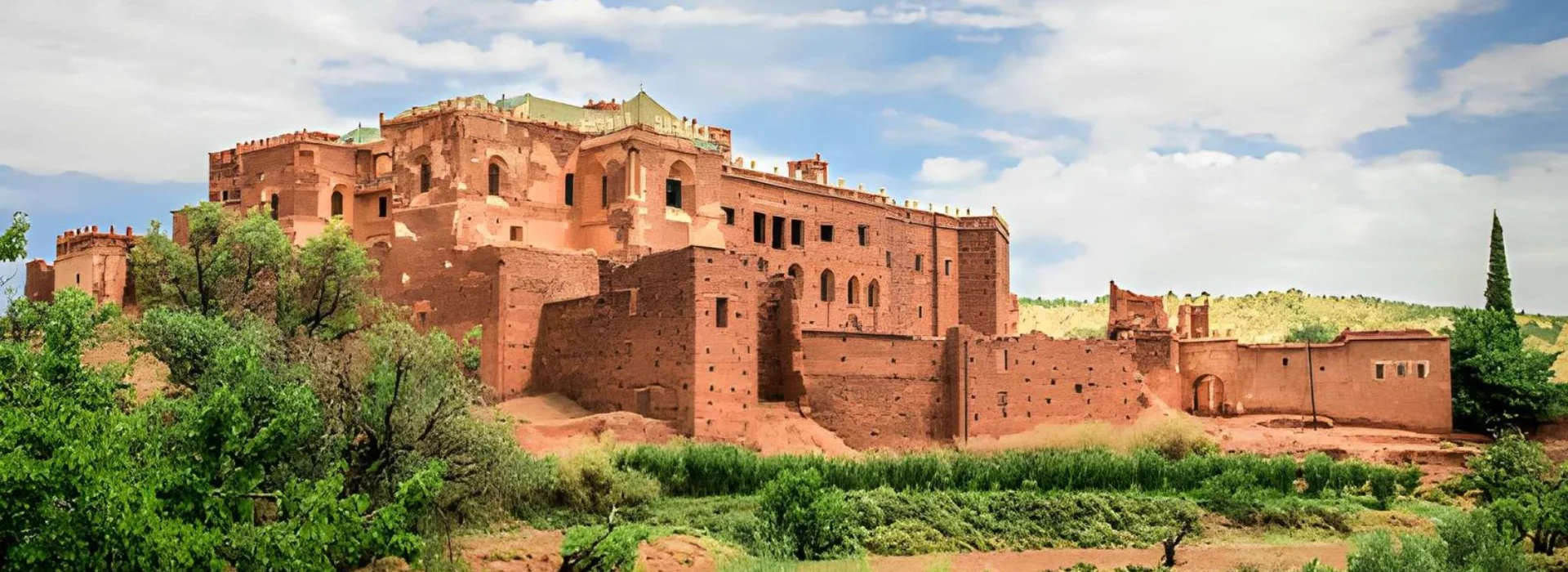
The Ultimate Guide to Morocco Tours: Why “Slow Travel” is the Secret to the Perfect Trip If you have spent any time dreaming about Morocco, you’ve probably seen the images: endless golden dunes, camels silhouetted against a fiery sunset, and the labyrinthine, spice-scented alleys of ancient Medinas. But when you actually sit down to book a Morocco tour, the reality can be overwhelming. A quick Google search reveals hundreds of nearly identical itineraries, all promising the “ultimate” experience. As senior Moroccan travel specialists based right here in Marrakech, we’ve seen firsthand what works—and what completely ruins a trip. Here is our insider’s guide to choosing the perfect Morocco tour, and why the secret to an unforgettable adventure isn’t about seeing more—it’s about slowing down. The Biggest Mistake Travelers Make in Morocco Morocco is deceptively large. Many travelers look at a map and think, “Oh, Marrakech to the Sahara is only a few inches away.” In reality, that “few inches” translates to crossing the High Atlas Mountains and driving through changing ecosystems. The standard 3-day tour tries to cram this massive journey into a rushed blur. You end up spending 9 hours a day trapped in a van, arriving at a desert camp just as the sun goes down, only to wake up at 4:30 AM to drive all the way back. You don’t experience the Sahara; you just drive through it. The Solution: The “Slow Travel” Approach The best Morocco tours are not race tracks; they are carefully paced journeys. This is why we pioneered our “Full Desert Day” itineraries. Instead of rushing, we drive directly to the desert on Day 1. This unlocks Day 2 entirely for actual exploration. It gives you the time to venture off-road in a 4×4, share mint tea with nomadic families, listen to spiritual Gnawa music, try sandboarding, and watch the sunset at a leisurely pace. When you slow down, Morocco opens up to you. Choosing Your Route: Fes or Merzouga? When planning a desert tour from Marrakech, you generally have two epic directions to choose from. Here is how to decide: Route 1: The Grand Crossing (Marrakech to Fes) Best for: Travelers ending their trip in the cultural capital of Fes. Route 2: The Deep Desert Loop (Marrakech to Merzouga & Back) Best for: Travelers returning to Marrakech, or those who want the absolute maximum amount of time in the dunes. 3 Days vs. 5 Days: Which is Right for You? What Separates a Good Tour from a Great Tour When comparing Morocco tours, look past the flashy photos and check the itineraries for these three things: Ready to Plan Your Moroccan Odyssey? Your trip to Morocco deserves to be more than just a transfer between cities. It should be a transformative passage through ancient history, raw nature, and warm hospitality. Let us take the wheel while you take in the magic.
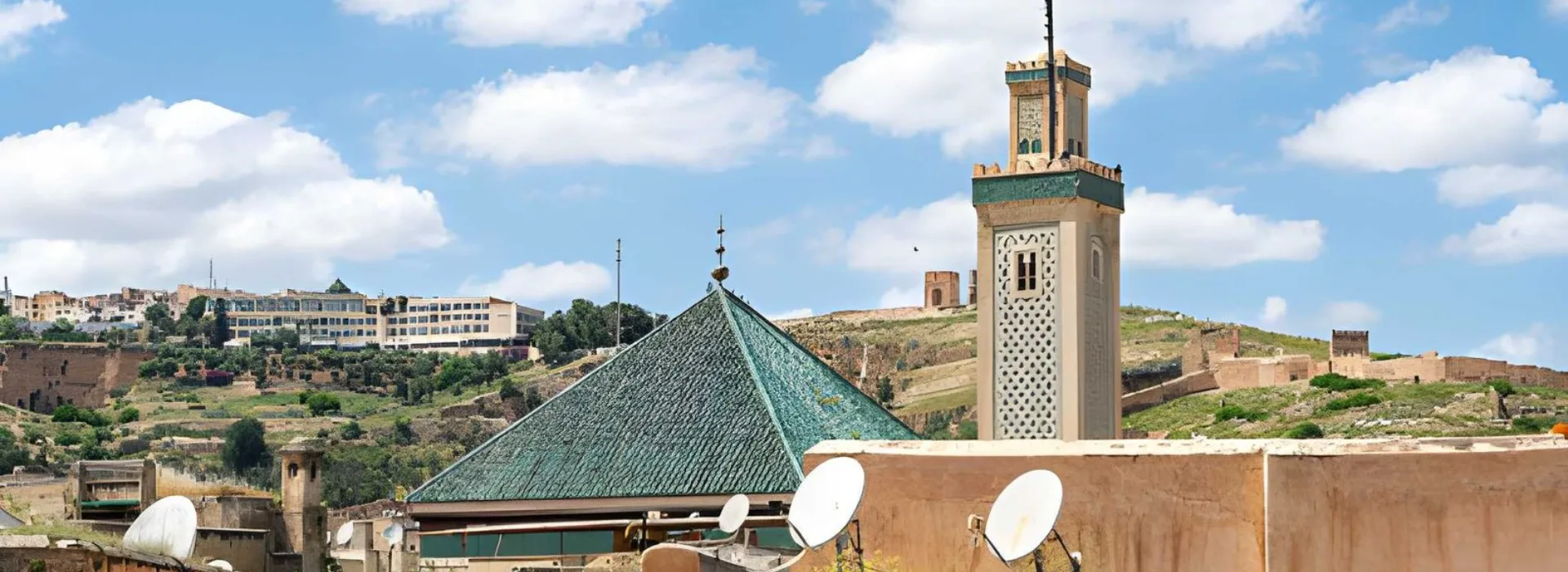
Morocco’s Spiritual & Cultural Capital
Fes: The Soul of Morocco Hidden in a Medieval Labyrinth If Marrakech is the loud, extroverted older sibling—full of energy, nightlife, and global tourists—then Fes (Fez) is the deep, intellectual, and fiercely traditional heart of the family. As senior Moroccan travel specialists, we always tell our guests: You go to Marrakech for the vibe, but you go to Fes for the culture. Founded in the 9th century, Fes is the oldest of Morocco’s imperial cities and home to the world’s largest car-free urban area: Fes el-Bali. It is a city that has actively resisted modernization at its core, offering travelers a rare, unfiltered glimpse into a medieval Islamic civilization that still pulses with life today. Here is why Fes isn’t just a stop on a map—it is a transformative destination. The Labyrinth: Fes el-Bali Medina To say Fes el-Bali is a maze is an understatement. It is a sprawling, tangled web of over 9,000 alleyways, too narrow for cars, stretching over 280 hectares. Without a local guide, getting lost here isn’t a possibility; it’s a guarantee. But in Fes, getting lost is the point. Around every corner is a new sensory discovery: the clanging of coppersmiths hammering out trays, the scent of cedar wood being carved into intricate furniture, and the sudden, peaceful courtyards of hidden riads that you would never find on a map. The Iconic Sights of Fes While wandering is highly encouraged, there are a few historical anchors you simply cannot miss: A Culinary Capital Fassi cuisine (the food of Fes) is considered the most refined in Morocco. While in Marrakech you eat street food, in Fes you dine. The city is famous for its complex, slow-cooked dishes. You must try the iconic Fassi Harira (a rich tomato and lentil soup), Pastilla (perfected here with an incredibly delicate, crispy pastry), and Mechoui—lamb slow-roasted in an underground oven for hours until it literally falls off the bone with a touch of a fork. The Cinematic Arrival: Why You Should Travel Overland from the Desert Many tourists simply fly into Fes or take a fast train. Big mistake. The absolute best way to experience Fes is to arrive there at the end of a desert tour. Imagine spending days in the absolute silence of the Sahara Desert, sleeping under the stars, and crossing the High Atlas mountains. Then, as you drive through the Middle Atlas, the landscape shifts from arid dunes to lush cedar forests where wild Barbary macaques play. Finally, you descend into Fes. That stark contrast—going from the profound silence of the Sahara straight into the roaring, chaotic, vibrant energy of the Fes Medina—is what makes arriving in Fes overland one of the greatest travel experiences on earth. Navigating the City Fes el-Bali is not a place for independent, first-time exploring. To truly appreciate the history, avoid getting relentlessly lost, and bypass the occasional tourist trap, you need a certified, local Fes guide. A great guide will not just show you the tanneries; they will take you into the homes of artisans, explain the history of the ancient water systems, and help you navigate the bustling markets with ease. Ready to Discover the Real Morocco? At Africa Marrakech Tours, we design our routes so that Fes is the grand finale of your Moroccan adventure. We handle the long, scenic drive so you can relax, taking you from the dunes of Merzouga, through the alpine town of Ifrane, and right to the doors of your Fes accommodation. 🚀 Experience the ultimate overland journey: Want to add a private guided tour of the Fes Medina to your package? [Contact us today] and let’s custom-build your perfect Moroccan itinerary!
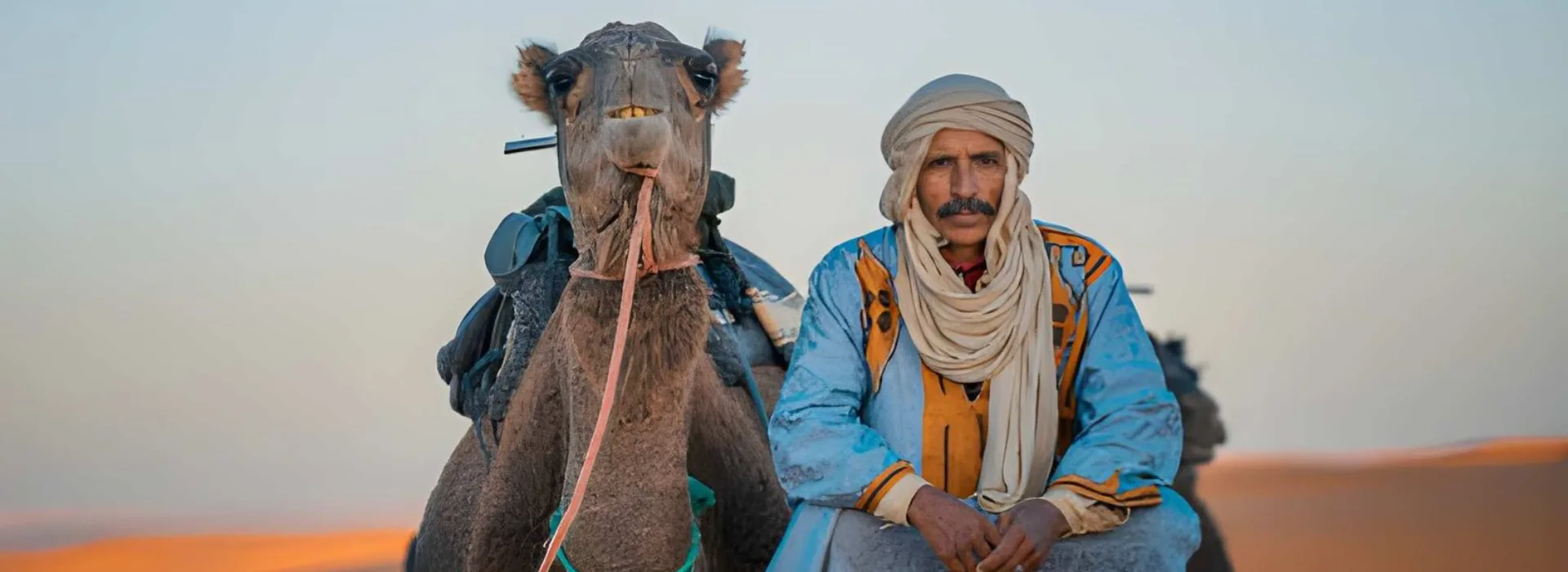
Morocco’s Golden Sahara Gateway
Merzouga: The Golden Gateway to the Moroccan Sahara After hours of winding through the dramatic gorges and lush oases of southern Morocco, the landscape suddenly opens up, and there it is: a sea of towering, golden sand rising abruptly from the flat, arid desert floor. Welcome to Merzouga. Sitting right on the edge of the magnificent Erg Chebbi dunes, Merzouga isn’t just a destination; it is a visceral experience. For many travelers, this small, dusty village is the climax of their Moroccan adventure. But as senior local travel specialists, we often see tourists make the mistake of treating Merzouga as a quick photo stop. Here is why Merzouga deserves much more of your time, and how to experience it like an insider. The Star of the Show: Erg Chebbi Dunes Unlike the flat, stony hamada deserts that make up most of the Sahara, the Erg Chebbi is a geological marvel. These dunes rise up to 150 meters (nearly 500 feet) high, shaped constantly by the wind into sharp, sweeping crests. The color of the sand shifts dramatically depending on the time of day—pale yellow at noon, deep gold at sunset, and a rich, burnt orange at dawn. Climbing to the top of a massive dune and looking out over the endless waves of sand, with nothing but the sound of the wind, is a profoundly humbling experience. The Classic Merzouga Experience No trip to Merzouga is complete without the quintessential desert activities: Beyond the Dunes: The Hidden Magic of Merzouga This is where a standard tour ends, and an expert tour begins. The area surrounding Merzouga is rich with culture and history that most rushed travelers miss. The Biggest Mistake Tourists Make in Merzouga Because Merzouga is a long drive from Marrakech (about 9-10 hours), the standard 3-day tour rushes you there on Day 1, puts you in a camp on Day 1 night, and forces you to wake up at 4:30 AM on Day 2 to drive all the way back. You end up spending only 12 hours in the desert, and most of that is sleeping. At Africa Marrakech Tours, we designed our itineraries differently. By driving directly to Merzouga on Day 1 and staying in a dune-view riad, we unlock a Full Desert Day. This gives you an entire day to explore Khamlia, visit the nomads, relax by a pool, and then take your sunset camel trek. It transforms a exhausting road trip into a true desert vacation. When to Visit Merzouga Ready to Experience the Real Sahara? Don’t settle for a rushed drive-by. Let us show you the deep, authentic beauty of Merzouga and Erg Chebbi. 👇 Choose the perfect Merzouga adventure for you: Contact us today to customize your private Merzouga desert expedition!
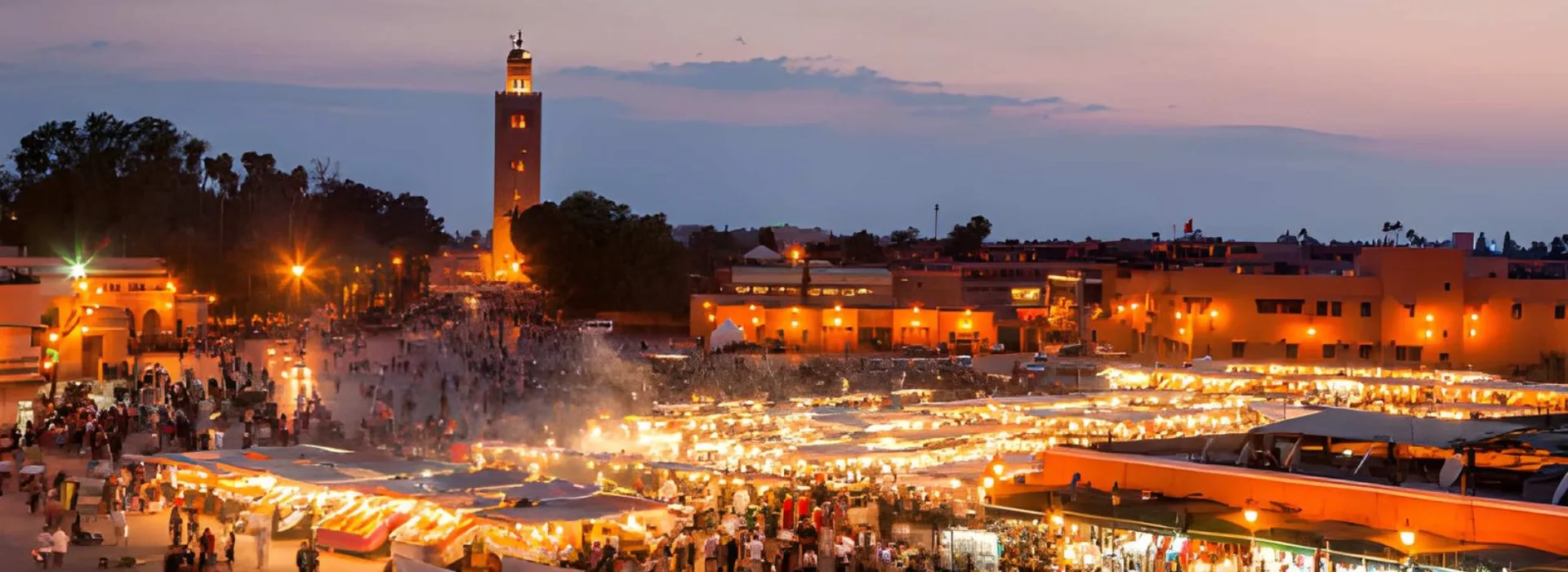
The Ultimate Marrakech Travel Guide
The Ultimate Marrakech Travel Guide: Secrets Beyond the Medina There are very few cities on earth that assault your senses quite like Marrakech. From the moment you step through the ancient gates of the Medina, you are plunged into a world of swirling colors, the pungent scent of spices, the melodic call to prayer, and the relentless, beautiful chaos of the souks. But as local Moroccan travel specialists based right here in the Red City, we’re here to let you in on a little secret: the true magic of Marrakech isn’t just found in the main square—it’s found in the quiet corners, the hidden courtyards, and the vast landscapes waiting just beyond the city walls. Whether you are visiting for 48 hours or using it as a launchpad for a Sahara adventure, here is our insider’s guide to experiencing the real Marrakech. The Heartbeat: Jemaa el-Fnaa & The Labyrinthine Souks You cannot visit Marrakech without getting lost in the Medina—a UNESCO World Heritage site. Your journey will inevitably start at Jemaa el-Fnaa, a massive square that transforms completely from day to night. By day, it’s a bustling market of fresh orange juice stalls and snake charmers. By night, it morphs into the world’s most spectacular open-air dining room, filled with smoke from dozens of food stalls, storytellers, and Gnawa musicians. From here, dive into the souks. Don’t look for specific items; just wander. You’ll pass alleys dedicated solely to leather goods, shimmering lanterns, hand-woven carpets, and intricate metalwork. Pro tip: Bargaining is expected here. Treat it as a friendly conversation, not a battle. Finding Silence: The Hidden Riads & Palaces The chaos of the streets makes the tranquility behind closed doors all the more astonishing. The true architectural wonders of Marrakech are the Riads (traditional homes built around an interior courtyard or garden). To escape the crowds, visit the Bahia Palace and the Saadian Tombs in the morning to avoid the midday heat. Then, step into the Jardin Majorelle—a stunning, cobalt-blue botanical garden once owned by Yves Saint Laurent. It is an oasis of calm that provides a stark, beautiful contrast to the pink walls of the city. A Culinary Awakening Moroccan food is designed to be shared and savored. Forget the tourist-trap menus on the main streets. The best meals are found on the rooftops of local riads or deep in the residential neighborhoods (like the trendy Gueliz or Hivernage districts, or the authentic Mellah). You must try a traditional Tagine (slow-cooked savory stew) and Pastilla (a sweet and savory pie, traditionally made with pigeon, though chicken is now common). And of course, no day is complete without at least three glasses of sweet Moroccan mint tea, poured from a height to create the perfect foam. The Ultimate Mistake: Leaving Without Seeing the Desert Here is where most tourists make a critical error. They spend three days in Marrakech, eat a tagine, buy a rug, and fly home. But Marrakech is merely the gateway. Just a few hours south lies the dramatic High Atlas Mountains, the cinematic Ait Ben Haddou (where Game of Thrones and Gladiator were filmed), and eventually, the towering golden dunes of the Sahara Desert. If you have the time, crossing the Atlas Mountains to sleep under the stars in a luxury desert camp in Erg Chebbi is a life-changing experience that pairs perfectly with the energy of Marrakech. When is the Best Time to Visit Marrakech? Ready to Experience the Real Morocco? At Africa Marrakech Tours, we do more than just show you the main sights. As senior local experts, we craft private, perfectly paced journeys that take you from the bustling streets of the Red City to the silent, starlit dunes of the Sahara. Don’t just visit Morocco—experience it with us. 🚀 Ready to explore beyond the city limits?

